Best headless CMS for agencies: Top platforms and selection framework for 2026
Discover the best headless CMS for agencies with a data-based comparison of platforms, benefits, use cases, and decision criteria.
- 14 min read
TL;DR
Headless WordPress development companies suit different project types. The choice depends on your delivery model, technical complexity, content workflows, and long-term support needs.
The best headless WordPress development companies build websites where WordPress manages the content and a separate front-end controls how it is displayed. A capable partner should handle both sides of the build, plus the APIs, QA, and launch work between them.
We’ve analyzed headless WordPress development providers, and our top picks are GetDevDone, Human Made, Illustrate Digital, Plug & Play, WP Creative, Filter, Ester Digital, Curious Minds, and Bacancy.
GetDevDone is the strongest fit for agencies and marketing teams that need hands-on implementation, while other vendors may be better suited to enterprise platforms, complex content operations, omnichannel delivery, design-led websites, or broader engineering support.
A strong headless WordPress partner needs to do more than connect WordPress to a modern front-end. Based on internal research, we discovered which service providers are better suited to agency delivery, enterprise platforms, marketing-led builds, and broader engineering work.

We, at GetDevDone, considered companies with a clear headless WordPress offer and public proof of delivery. The strongest candidates showed experience across WordPress, CMS architecture, APIs, front-end development, migrations, QA, performance, and support after launch.
Company fit mattered as much as technical scope. Service pages, case studies, Clutch profiles, portfolios, and agency directories helped show whether each provider was better suited to agencies, marketing teams, enterprise content operations, or broader engineering work. GetDevDone was assessed against the same criteria as every other company in the comparison.
A headless build adds a separate front-end, new deployment logic, and more technical ownership after launch. Before choosing a company, check whether its experience covers the full setup, not just WordPress or a JavaScript framework in isolation.
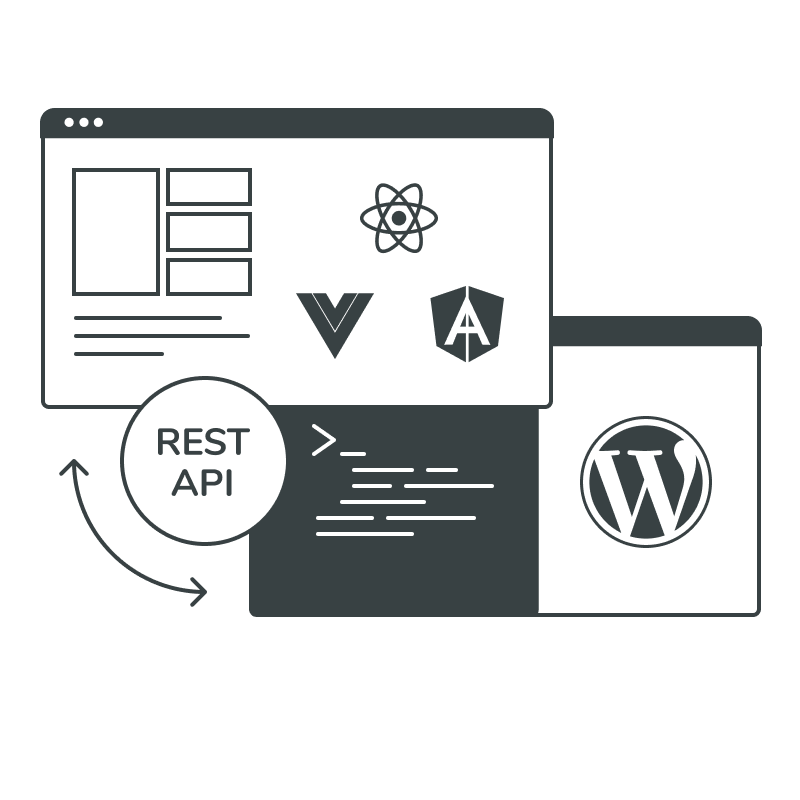
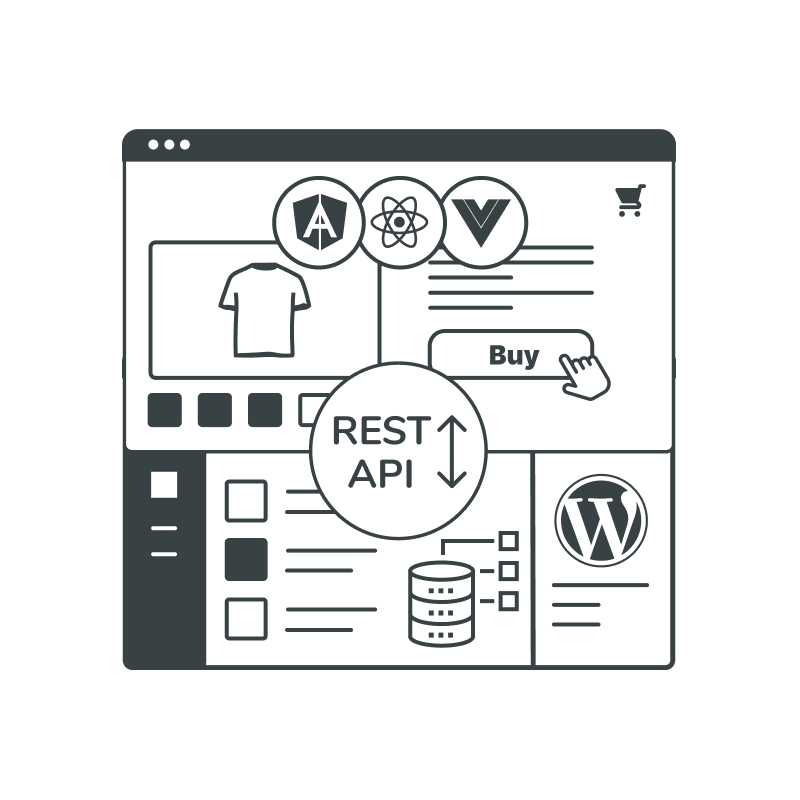
Headless WordPress is a strong option when the site needs a custom front-end, tighter control over performance, content across several channels, or a React, Next.js, Gatsby, Vue, or Angular stack.
For a small brochure site, a simple blog, or a team with limited technical support, traditional WordPress may cost less and be easier to maintain. A credible vendor should be able to explain why decoupling is worth the added complexity for your specific project.
The front-end controls how pages load, routes resolve, previews work, and search engines access the content. Ask which framework and rendering approach the team recommends, why they fit the project, and how the front-end will be hosted and deployed.
The technical plan should also define the API layer, preview workflow, routing, and release process. Each of these areas affects site performance, publishing speed, and post-launch maintenance.
WordPress can remain familiar to marketers in a headless setup, but only when the editing experience is planned properly. Editors need reusable content models, reliable previews, and a clear way to publish pages without developer help.
Ask the company to demonstrate how a marketer will create, preview, update, and publish content. A polished front-end is not much use when routine edits become slower than they were on the old site.
A headless rebuild can improve performance while still damaging organic traffic. The vendor should account for existing URLs, redirects, canonical tags, metadata, structured data, sitemaps, crawlability, internal links, and analytics continuity. For an existing site, ask who owns the URL map and redirect testing before launch. SEO should be part of the migration scope, not a check performed after the new front-end goes live.
A headless site has dependencies across WordPress, APIs, hosting, and the front-end application. Someone needs to own updates, monitoring, security, bug fixes, analytics, content model changes, and failed integrations.
Get the responsibilities in writing. The support plan should state what the company monitors, how issues are handled, and whether front-end maintenance is included or billed separately.
An agency delivering a client site may need white-label execution, controlled communication, and a clean handoff. An enterprise team may need governance, security, and consulting across several stakeholders.
Design-led agencies make sense when UX and visual execution drive the project. Dedicated developers suit teams that already own the architecture and need capacity. Boutique technical teams can work well for focused builds that benefit from direct access to senior engineers.
Some teams need a hands-on implementation partner. Others need enterprise WordPress expertise, stronger design ownership, or more engineering capacity. The companies below are grouped by the kind of project they are best equipped to deliver.

Best for:
Agencies, marketing teams, and businesses that need a defined headless WordPress delivery scope covering CMS setup, front-end development, integrations, QA, launch, and post-launch support.
Why it is included:
GetDevDone is a strong fit when the buyer needs implementation capacity and architecture advice. The company covers WordPress setup, separate front-end delivery, API integrations, testing, and launch within one engagement. Its white-label model also suits agency-led projects where strategy and client communication stay in-house while GetDevDone handles production.
Relevant services:
Evidence:
GetDevDone states that separate WordPress and front-end teams work on headless builds, with a dedicated project manager coordinating delivery. Its Clutch profile positions the company as an engineering partner for digital agencies and lists white-label execution, 400+ engineers, 15,150+ agency projects, and 80 reviews.
Strengths:
Limitations:
Less suitable for buyers seeking enterprise WordPress strategy, governance consulting, or publishing-platform transformation rather than hands-on delivery.

Best for:
Enterprises, publishers, universities, and financial services teams that need WordPress content delivered across several sites, apps, portals, or internal platforms.
Why it is included:
Human Made offers decoupled WordPress for organizations with complex content operations. Its scope covers content modeling, custom REST API endpoints, authentication, front-end integration, editorial workflows, and migration planning.
The company is relevant when one WordPress back-end must serve several channels while editors continue working in a familiar CMS. Human Made also brings direct REST API expertise. Ryan McCue, one of the company’s developers, initiated the WordPress REST API project, which later became part of WordPress core.
Relevant services:
Evidence:
Human Made describes headless projects for websites, mobile apps, kiosks, portals, and multi-channel publishing. Its migration process includes auditing themes, APIs, and content structures, then planning content models, authentication, front-end connections, and publishing workflows. Clutch lists a $50,000+ minimum project size and 17 reviews, which aligns with the company’s focus on larger, more complex WordPress engagements.
Strengths:
Limitations:
The service is geared toward projects with substantial content architecture, integration, or governance requirements. A smaller site with a straightforward front-end and limited publishing complexity may not need the full scope Human Made offers.

Best for:
Enterprise brands and organizations that want a WordPress-first agency to plan, build, and launch a user-centered headless experience.
Why it is included:
Illustrate Digital combines enterprise WordPress work with a clear UX and content-management focus. Their headless framework is designed to keep content management close to the familiar WordPress experience after the front-end is decoupled. The company has also built a headless WordPress framework to simplify development, deployment, and day-to-day content management.
Relevant services:
Evidence:
Illustrate Digital positions its headless offer around enterprise websites, redesigns, and advisory work. They highlight custom front-end experiences, familiar WordPress editing, multiple websites or apps, Core Web Vitals, security, and scalability. The company publishes ISO 9001 and ISO 27001 certifications on its site and lists WordPress security, infrastructure, audits, and maintenance as separate areas of expertise.
Strengths:
Limitations:
Illustrate Digital may be more than a company needs if the project only requires extra development capacity for a tightly scoped build.

Best for:
Marketing teams that manage content in WordPress and publish it across websites, mobile apps, web apps, or other digital interfaces.
Why it is included:
Plug & Play treats headless WordPress as an omnichannel content setup. Its scope covers workshops, content architecture, API development, WordPress development, interface development, UX, and design. Marketing teams can keep daily content work inside WordPress while using separate front-ends for different channels.
Relevant services:
Evidence:
The Plug & Play team has WordPress, PWA, web app, mobile app, and front-end framework experience. They highlight headless projects where WordPress content feeds a React Native mobile app and connects with platforms such as Shopify and Microsoft Dynamics. Plug & Play says headless is not suitable for every business. They recommend checking the business case first and note that implementation, hosting, support, and maintenance cost more than traditional WordPress.
Strengths:
Limitations:
Plug & Play is most relevant when content must serve several interfaces. A business planning one conventional marketing website may not need its app expertise, workshops, or omnichannel architecture.

Best for:
Marketing teams looking for a headless WordPress build with strong technical SEO, fast campaign delivery, reliable tracking, and ongoing optimization.
Why it is included:
WP Creative connects headless architecture with marketing execution. Its scope covers React, Next.js, and Gatsby front-ends, plus server-side rendering, clean URLs, schema, canonical paths, sitemaps, metadata, crawlability, and Core Web Vitals. The company also builds programmatic landing page templates, helping marketing teams launch campaigns without relying on developers for every update.
Relevant services:
Evidence:
WP Creative structures WordPress content for API delivery so marketing teams can publish without waiting on developers. Its performance plan also covers tracking, CRO, schema, technical SEO, and Core Web Vitals. Clutch lists 24 reviews and positions the company around work for marketers and performance agencies, which supports its marketing-led focus.
Strengths:
Limitations:
WP Creative is less suited to projects centered on enterprise publishing governance or complex multi-application content delivery.

Best for:
Organizations that want WordPress to remain the publishing hub while the front-end is rebuilt for faster performance, broader distribution, or more complex digital products.
Why it is included:
Filter frames headless WordPress around structured content delivery. WordPress acts as the content back-end, while REST API or GraphQL feeds separate websites, apps, and other platforms. The front-end can then be built in Next.js, Vue, or Gatsby based on the project’s stack and performance goals. The agency also gives more attention than most vendors to editorial workflows. Its process covers content models, approval flows, real-time app updates, and multi-channel publishing from one source.
Relevant services:
Evidence:
Filter builds headless WordPress setups for faster load times, stronger Core Web Vitals, and easier scaling. Its mobile app work also lets editorial teams update content in WordPress without waiting on developers.
Beyond the initial build, Filter offers personalization, analytics, SEO, CRO, support, and maintenance. Its Clutch profile has 15 reviews, with the review summary highlighting WordPress technical expertise and scalable, SEO-optimized websites.
Strengths:
Limitations:
Filter is most useful when the project involves structured publishing, several channels, or continued optimization after launch. A simple headless marketing site with a narrow build scope may not use the full range of its services.

Best for:
Brands and marketing teams that want the headless build to carry a strong visual identity.
Why it is included:
Ester Digital combines headless WordPress development with branding, UX/UI, and custom front-end work. WordPress stays the CMS, while Gatsby, React, Angular, or Vue is used for the presentation layer.
Unlike vendors focused mainly on architecture or engineering capacity, Ester Digital can carry the same visual direction from brand and interface design into the final front-end build. It reduces the handoff between design and development and gives one team ownership of both.
Relevant services:
Evidence:
Ester Digital has 32 Clutch reviews, giving buyers a broader pool of third-party feedback than many boutique agencies. Public client comments mention a user-friendly back-end, responsive communication, fast turnaround, and flexibility when priorities change during the project. The company offers both fixed-scope engagements and longer strategic partnerships, which gives buyers a clear choice between a one-time website build and ongoing design support.
Strengths:
Limitations:
Ester Digital is less relevant when the main need is large-scale publishing governance, deep WordPress specialization, or additional engineering capacity for a narrowly defined technical scope.

Best for:
Headless WordPress projects that require direct access to senior developers, a static front-end, or a broader full-stack team around the Content Management System.
Why it is included:
Curious Minds Media takes a boutique technical approach to headless WordPress. They deploy the front-end as static assets backed by WordPress, which can improve load speed, responsiveness, security, and maintenance. Clients work directly with experienced developers. The company says all delivery stays in-house, with no outsourcing, and positions its team as able to manage both the WordPress back-end and the wider application stack.
Relevant services:
Evidence:
Curious Minds has been in business for 20 years, which gives buyers a meaningful operating track record for ongoing WordPress and custom development work. Client feedback highlights timely responses, useful clarifying questions, and the ability to support a portfolio of more than 20 brands. The company has a small technical team that can stay responsive while handling recurring work across several sites.
Strengths:
Limitations:
Curious Minds may offer less delivery capacity than a larger engineering provider. Projects with several parallel workstreams, broad enterprise governance, or large distributed stakeholder groups should confirm resourcing and coverage before hiring.

Best for:
Teams that need dedicated headless WordPress developers, a larger delivery bench, or extra engineering capacity around APIs, front-end frameworks, migration, and maintenance.
Why it is included:
Bacancy offers headless WordPress through a staff augmentation and dedicated developer model. Buyers can add a senior developer or a wider team instead of outsourcing the entire project to a specialist WordPress agency. Their technical scope covers React, Next.js, Vue.js, REST API, GraphQL, WPGraphQL, authentication, databases, Docker, and CI/CD. The same team can also handle migration, custom web or mobile applications, external system integrations, QA, and ongoing maintenance.
Relevant services:
Evidence:
Bacancy combines fixed-scope delivery with dedicated developer hiring and access to a 1,050+ engineer bench. Across 64 Clutch reviews, clients most often highlight timely delivery, clear communication, flexible resourcing, and the ability to scale teams as project needs change.
Strengths:
Limitations:
Teams seeking a boutique WordPress consultancy or design-led engagement may prefer a more specialized agency.

Best for:
Enterprise or multi-technology projects where headless WordPress is part of a wider transformation, integration, or product development scope.
Why it is included:
OrangeMantra brings headless WordPress into a much wider engineering scope than the specialist agencies in this list. The same team can handle the CMS alongside mobile applications, cloud infrastructure, enterprise software, e-commerce platforms, AI features, and custom integrations. It’s useful when WordPress is only one layer of a larger system. Buyers can keep several connected workstreams with one vendor.
Relevant services:
Evidence:
OrangeMantra has a dedicated headless WordPress CMS development service and a broader portfolio covering enterprise applications, cloud, mobile, AI, and product engineering. Clutch lists 250-999 employees, 41 reviews, and a 4.9 overall rating. Client feedback frequently mentions timely delivery, proactive problem-solving, clear communication, and the ability to manage complex requirements across multiple technologies.
Limitations:
Its broad service model may be unnecessary for a tightly scoped headless WordPress build.
The same headless WordPress setup can require very different expertise depending on who owns strategy, design, architecture, and post-launch support. Use this matrix to narrow the shortlist based on the work your team needs the vendor to take over.

This is not an independent research report, analyst ranking, sponsored placement, or paid directory listing. The companies included in this article were identified and evaluated using publicly available information available at the time of publication, including company websites, service pages, case studies, portfolios, and verifiable third-party review platforms, combined with AI-assisted research and human editorial review conducted by the GetDevDone team. The selection and ordering of companies reflect our editorial judgment regarding their visible relevance to agencies and headless WordPress delivery capabilities based on the criteria discussed in this article. Different agencies, project requirements, budgets, and operating models may reasonably lead to different conclusions. We have made a good-faith effort to evaluate companies based on verifiable public information rather than marketing claims alone. However, this list is not exhaustive, definitive, or free from editorial perspective.
A headless WordPress development company builds websites where WordPress manages the content while a separate front-end displays the site. The company is responsible for the CMS setup, API layer, front-end framework, routing, preview workflow, deployment, QA, and often post-launch support.
A marketing team should consider headless WordPress when performance, front-end flexibility, or multi-channel publishing matter more than the simplicity of a traditional WordPress build. It is especially useful when the same content must power several websites, apps, portals, campaign experiences, or regional interfaces.
The vendor should also be able to preserve marketer control. Editors need reusable content models, reliable previews, and the ability to publish routine updates without asking developers for help.
Headless WordPress is often unnecessary for a small brochure site, a simple blog, or a website with limited custom functionality. Traditional WordPress may be cheaper to build, easier to host, and simpler to maintain.
It may also be a poor fit when no one owns the separate front-end, APIs, deployment process, and ongoing technical maintenance. A credible vendor should explain why the added complexity is justified before recommending a headless build.
Agencies should confirm how the vendor handles white-label delivery, scope control, client communication, front-end architecture, QA, SEO, launch, and maintenance. The agreement should make clear who owns project management, technical decisions, code review, deployment, and post-launch fixes. Ask to see the actual editing and preview workflow before development begins. Agencies should also verify whether the partner can work behind the scenes, follow existing documentation standards, and hand over the project without disrupting the agency-client relationship.
A traditional WordPress agency may work mainly with themes, page builders, and plugins inside one WordPress installation. A headless WordPress agency must also handle APIs, JavaScript frameworks, front-end routing, rendering, hosting, deployment, authentication, and preview workflows. The difference becomes important after launch. A headless site has separate CMS and front-end dependencies, so the vendor must understand how updates, failures, and content changes affect the full system.
Headless WordPress can support strong SEO when the front-end is implemented correctly. Rendering, metadata, canonical tags, structured data, internal links, redirects, sitemaps, crawlability, page speed, and analytics must all be included in the technical plan.
Headless architecture does not improve SEO automatically. Poor routing, missing metadata, broken redirects, or client-side rendering decisions can reduce visibility even when the site loads quickly.
Headless WordPress development costs depend on the front-end complexity, number of templates, integrations, migration scope, preview requirements, SEO work, hosting setup, and long-term support model. A simple marketing build and a multi-site publishing platform will require very different budgets.
Buyers should ask for a breakdown covering CMS work, front-end development, APIs, QA, migration, deployment, and maintenance. A low initial estimate may exclude content migration, plugin replacement, preview setup, or post-launch front-end support.
Common options include React, Next.js, Gatsby, Vue.js, and Angular. The right framework depends on the rendering model, hosting setup, internal skills, content update frequency, performance goals, and maintenance plan.
The vendor should explain why a framework fits the project rather than recommending one based only on team preference. Buyers should also confirm who will maintain the front-end after launch.
Common problems include broken previews, plugin incompatibility, weak API structure, routing errors, failed content migrations, missing SEO elements, and unclear ownership after launch. Editors may also lose flexibility if the content model is designed around the front-end rather than real publishing needs.
These risks should be addressed before development starts. The scope needs named owners for content architecture, redirects, QA, deployment, monitoring, front-end updates, and post-launch support.
A specialist WordPress agency is usually stronger when the project depends on editorial workflows, content modeling, WordPress governance, migrations, or a familiar marketer experience. Its team is more likely to understand how CMS decisions affect daily publishing.
A broader engineering company may be the better choice when headless WordPress is one part of a larger product involving mobile apps, enterprise integrations, cloud infrastructure, databases, or additional development capacity. The decision depends on whether the main risk sits inside WordPress or across the wider technology stack.
Discover the best headless CMS for agencies with a data-based comparison of platforms, benefits, use cases, and decision criteria.
WordPress website costs range from under $1,000 to $20,000.Understand the key cost drivers, hidden expenses, and long-term maintenance requirements before you invest.
Have you heard about headless WordPress and wonder if it's just another tech trend or a real game-changer for your project? Our comprehensive guide dives deep, providing first-hand insights and real-world perspectives.
GetDevDone on the pros and cons of Headless WordPress development for client projects. The good, the bad, and how to choose the best headless CMS
AI coding failures that create expensive AI-built sites rescue projects and five fast fixes for security, performance, QA, and handoff risk
GetDevDone's ranking of top 5 headless WordPress eCommerce platforms for performance, content scale and customer experience.
WordPress migration ROI: when legacy CMS costs more than migration, the tipping points behind faster delivery, scalable SEO, cleaner integrations.
Wrong plugin choice on a business-critical WordPress integration costs agencies $15K–$40K in rework. Here's how to scope CRM, payments, and custom API integrations before build starts.